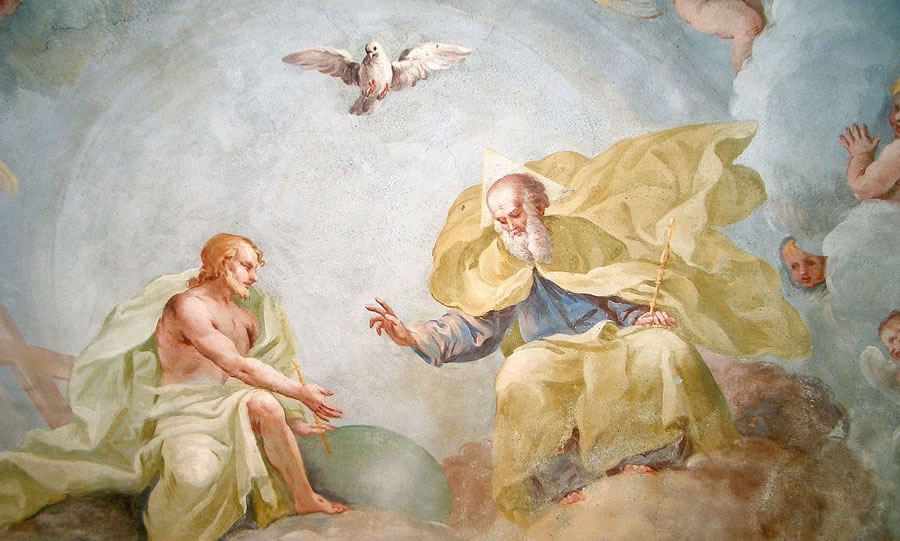
The Most Holy Trinity
05-29-2021Weekly ReflectionFr. James Aboyi, V.C.This weekend we celebrate the Solemnity of the Most Holy Trinity. The doctrine of the Trinity is difficult for many people to understand or accept because it is a mystery that is beyond full human comprehension. The Holy Trinity is three distinct persons: Father, Son and Holy Spirit with one nature in one God. Not three Gods but one God manifesting himself in three distinct persons. The inner relationship of the Trinity is such that each person is fully co-equal and co-eternal, but one in essence and nature. Several analogies can be used to describe the mystery of the Trinity. For instance, “time” can be manifested as past, present and future. Each of them is time, but manifested in three distinct ways. Another analogy is the mystery of the human person made up of body, soul and spirit. The three parts are quite distinct, but coexist as a single human being.
READ MORE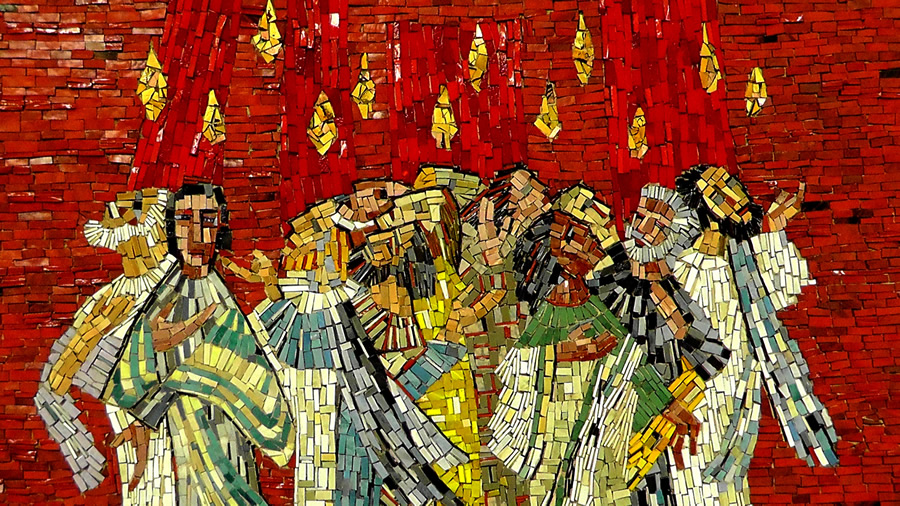
Pentecost
05-22-2021Weekly ReflectionFr. James Aboyi, V.C.Today we celebrate Pentecost, which comes from a Greek word meaning fiftieth. Both Jews and Christians have a feast called “Pentecost.” Within the Jewish tradition, Pentecost celebrates the day God gave Moses the Law on Mt. Sinai. It is celebrated on the fiftieth day after Passover. For the Church, Pentecost recalls the fiftieth day after Jesus rose from the tomb. On Pentecost day, Jesus fulfilled his promise by sending the Holy Spirit upon the Apostles while they were at prayer in the Temple. The Acts of the Apostles describes Pentecost with dramatic words, “When the time for Pentecost was fulfilled, they were all in one place together. And suddenly there came from the sky a noise like a strong driving wind, and it filled the entire house in which they were. Then there appeared to them tongues as of fi re, which parted and came to rest on each one of them. And they were all filled with the Holy Spirit and began READ MORE
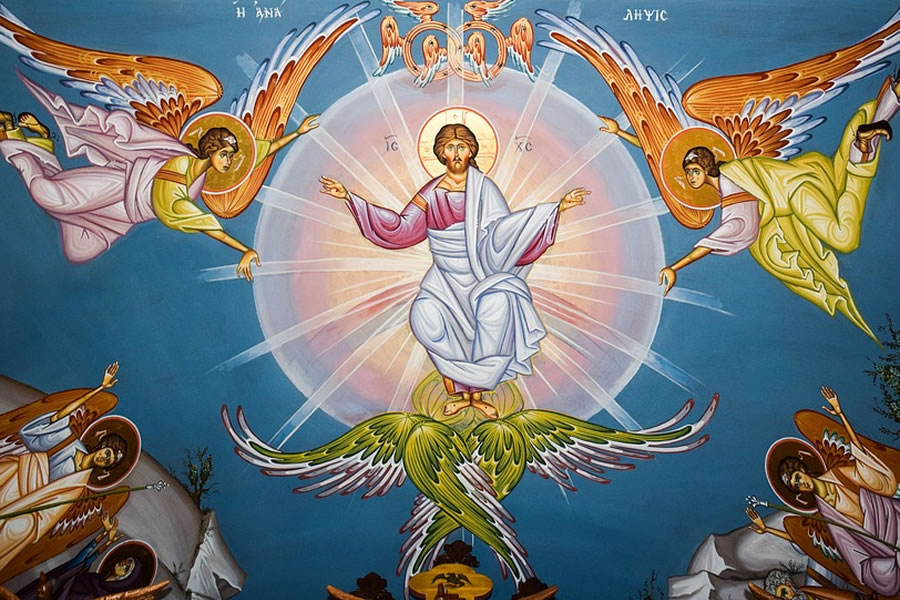
Tasked to Spread the Good News
05-15-2021Weekly ReflectionFr. James Aboyi, V.C.The pain of separation from our loved ones is one of the most excruciating experiences we can have in life. It is not always easy to say “goodbye” to our loved ones when they travel or at their fi nal moment. Most people have the opportunity to say goodbye or give last instructions before they part from their loved ones. Naturally, the last instruction from a dying person is never taken lightly. This was the case of the Apostles as we hear in the fi rst reading and Gospel today. Their hearts were troubled to see Jesus depart from them. Jesus prepared His apostles well in anticipation of the challenges that were ahead of them. Jesus’ ascension was both an end and a beginning for his disciples. While it was the end of Jesus’ physical presence with them, it also marked the beginning of Jesus’ presence with them in a new way. Jesus promised to send them the Holy Spirit who would lead, guide, and remain with them until the end of time.
READ MORE
Choice and Love
05-08-2021Weekly ReflectionFr. James Aboyi, V.C.Our scripture readings this weekend are centered on the theme of “choice and love.” We heard this clearly in the Gospel when Jesus said: “It was not you who chose me, but I who chose you and appointed you to go and bear fruit that will remain…This is my commandment: love one another as I love you.”
READ MORE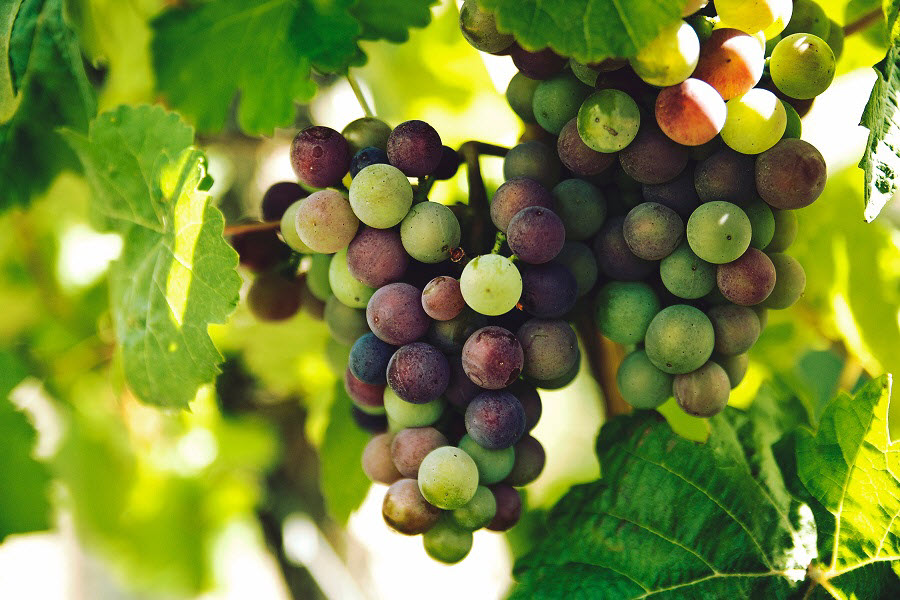
I Am the Vine, You Are the Branches
05-01-2021Weekly ReflectionFr. James Aboyi, V.C.The first and ultimate desire of every human soul is a desire for belonging to God. As we grow and mature through the different stages of our lives, the desire is manifested through our awareness of dependency on other people and groups for survival and support such as our parents, families, school, teammates, church, societies, human race, etc. However, none of the human support systems can satisfy the ultimate desire until we have a sense of belonging to God. The desire is intrinsic in us in the realization that we are only a ‘piece of the whole.’ This is a metaphysical certainty that a “piece cannot be greater than the whole.” The Catechism of the Catholic Church explains it this way:
READ MORE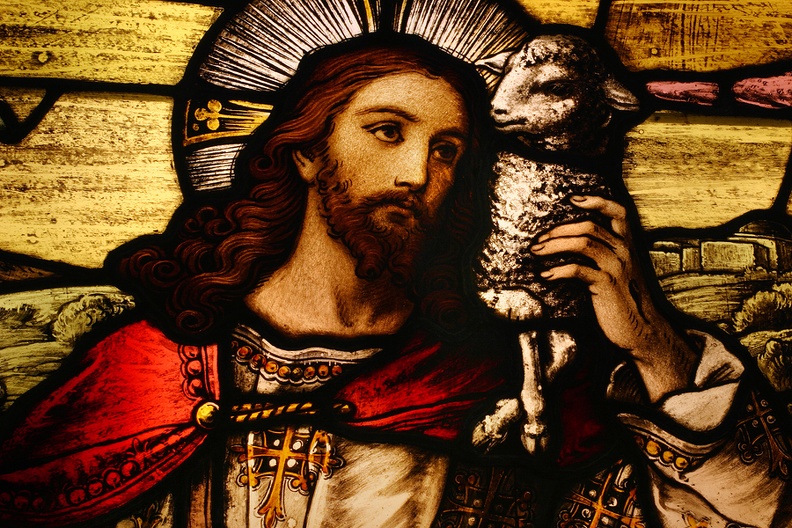
Good Shepherd Sunday
04-25-2021Weekly ReflectionFr. James Aboyi, V.C.In the Catholic tradition, this Fourth Sunday after Easter is called Good Shepherd Sunday and is dedicated as a Special Day of Prayer for Vocations to the priesthood and the Religious Life. In the Gospel, Jesus used two key images - shepherd and voice - to explain his invitation to discipleship.
In the Jewish culture, shepherding was more a way of life and relationship rather than a job. The life of the shepherd in biblical times was one of personal self-giving and sacrifice. His work was that of tender care and closeness to the flock. Knowing this, it makes sense why Jesus chose to identify himself as the Good Shepherd to explain the depth of God’s love and care for us. He loves us so much that he laid down his life for us.
READ MORE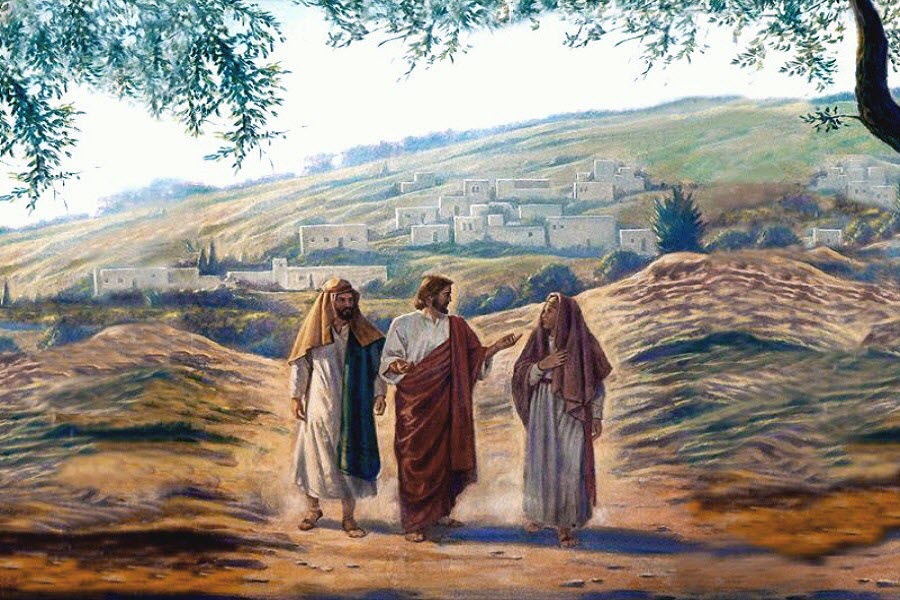
We are Witnesses of the Risen Lord
04-18-2021Weekly ReflectionFr. James Aboyi, V.C.We live at a time when we are constantly under some form of surveillance cameras from cell phones, in vehicles, in buildings, on the road, from satellites, etc. In a way, surveillance cameras help keep us safe and make work easier for law enforcement. Many people today have made millions of dollars just by capturing video coverage of important incidents, then selling them to the media. In a way, video cameras are better eyewitnesses than the human eye as videos cannot lie.
READ MORE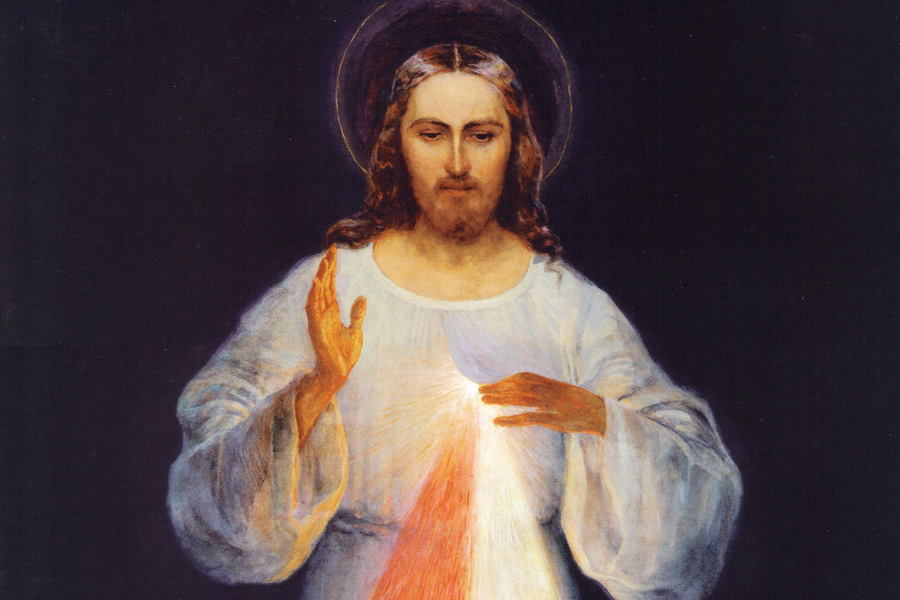
Divine Mercy Sunday
04-11-2021Weekly ReflectionFr. James Aboyi, V.C.The second Sunday of Easter is dedicated as Divine Mercy Sunday. Often, people wonder why Pope John Paul II chose this Sunday as Divine Mercy Sunday. We can find a clue in the Gospel reading today when we hear that Jesus breathed on the Apostles and said to them, “Receive the Holy Spirit. Whose sins you forgive are forgiven them, and whose sins you retain are retained” (John 20:22-23). In doing this, Jesus instituted the Sacrament of Reconciliation, also known as the Sacrament of Divine Mercy through which God forgives us our sins and reconciles us to himself.
READ MORE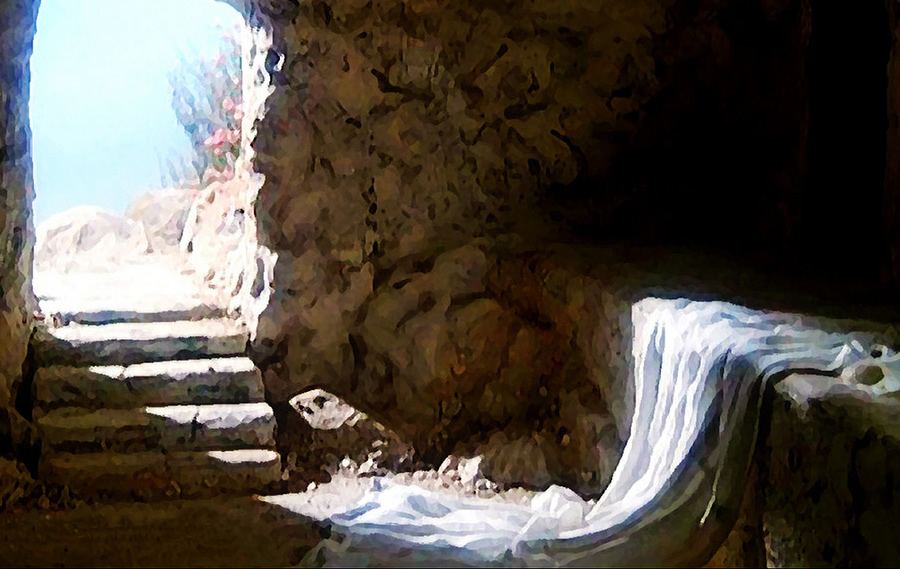
Happy Easter!
04-04-2021Weekly ReflectionFr. James Aboyi, V.C.The Lord is Risen, Hallelujah! Easter Sunday, commonly known as the Lord’s Day, is the greatest day in the history of the Church and of the world. The Catechism of the Catholic Church teaches that the day of the Resurrection is the beginning of a new creation. “Jesus rose from the dead ‘on the first day of the week’ (Jn 20:1). Because it is the ‘first day,’ the day of Christ’s Resurrection recalls the first creation. Because it is the ‘eighth day’ following the Sabbath (Mk 16:1), it symbolizes the new creation ushered in by Christ’s Resurrection. For Christians, it has become the first of all days, the first of all feasts, the Lord’s Day” (he kuriake hemera, dies dominica) (CCC 2174). This explains why we observe Sunday as our “Sabbath day of rest” instead of Saturday.
READ MORE
Holy Week
03-27-2021Weekly ReflectionFr. James Aboyi, V.C.Welcome to the Holy Week, which begins this weekend with the celebration of Palm Sunday. This week is the peak of the Churches’ Liturgical Calendar and the most important week for us Catholics. I am glad the Pandemic is declining consistently, making it possible for us to celebrate Holy Week and Easter this year. However, you will notice that there will be a few exceptions to the Easter Liturgies this year. First of all, I thank those who have already received their vaccines. We encourage everyone to observe our parish safety protocols during the Easter Liturgies this year, especially to wear a facemask, maintain physical distance and use hand sanitizers, even if you have already received your two shots of the vaccine.
READ MORE
Dying to Bear Fruit
03-20-2021Weekly ReflectionFr. James Aboyi, V.C.Today is the last weekend before Palm Sunday which begins Holy Week. Most of the Gospel readings during this time highlight the events that lead to the passion and death of Jesus on Good Friday. It is not obvious in the Gospel today to see the literal connection between why the Greek visitors in Jerusalem were seeking to meet with Jesus and why Jesus responded using the analogy of death and rising. Scripture scholars suggest that it appears a rumor was going around Jerusalem that Jesus would be arrested during the Passover week. This explains why the Greeks were seeking to alert Jesus and probably invite him to flee with them to their country for safety. The response that Jesus gives is a clue that their request has something to do with his impending death and thus his resolve to stay and face it. “The hour has come for the Son of Man to be glorified.... And what should I say -- ‘Father, save me from this hour’? No, it is for this reason that I have come to this hour” (John 12:23, 27).
READ MORE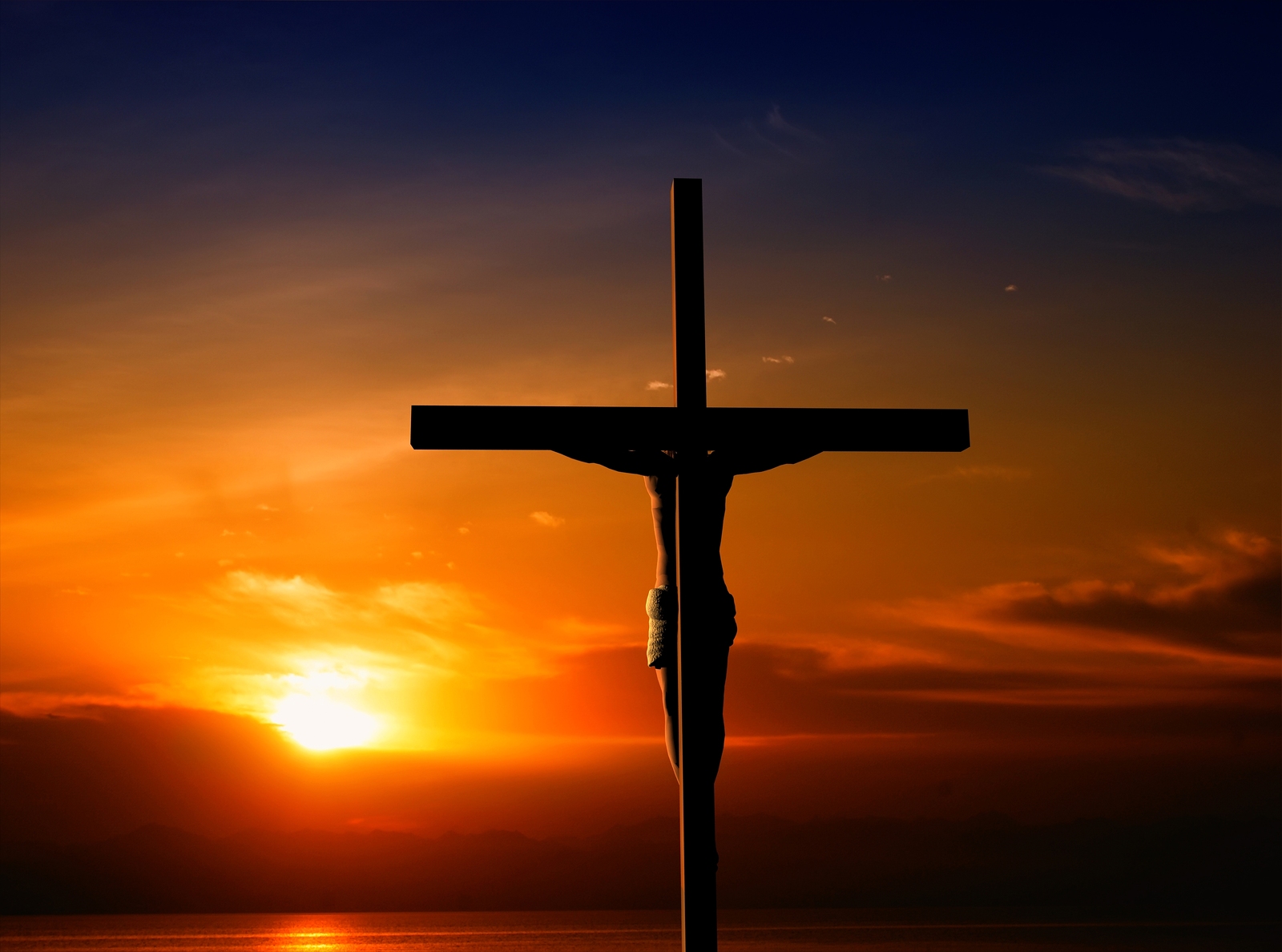
Let My Tongue be Silenced, if I Ever Forget You
03-13-2021Weekly ReflectionFr. James Aboyi, V.C.Today is Laetare Sunday. One question many people ask this weekend is, “Why are we rejoicing during the season of Lent?” We rejoice because we are now midway through our Lenten journey... At this point, we have been purified by our Lenten disciplines and we now look forward with hope to the joy of Easter.
READ MORE
Distractions from Within
03-06-2021Weekly ReflectionFr. James Aboyi, V.C.In today’s first reading, we hear that God gave Moses the Ten Commandments; then in the Gospel we hear how the people violated the Commandments causing Jesus to become angry and drive them out of the Temple area. So, which of the Commandments did the people violate? Jesus explained clearly that the summary of the Ten Commandment is “Love,” that is, love of God and love of neighbor (Matt 22:37-39). We know the first three Commandments are about our relationship with God (love of God) and the other seven are about love of neighbor. Obviously, the people selling and buying in the Temple area violated the first three Commandments.
READ MORE